How Long Does a Fireplace Last? Tips for Prolonging the Life of Your Fireplace and Mantel
This article at a Glance
Fireplaces are desirable amenities that can add functional and aesthetic appeal to any home. Homeowners tend to covet them because they add a cozy element to living spaces — not to mention they’re a delightful way to keep warm during colder months. However, not all fireplaces are created equal, and some tend to last longer than others.
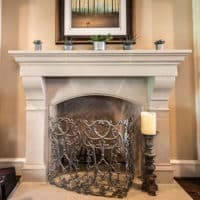
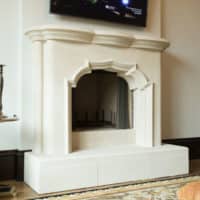
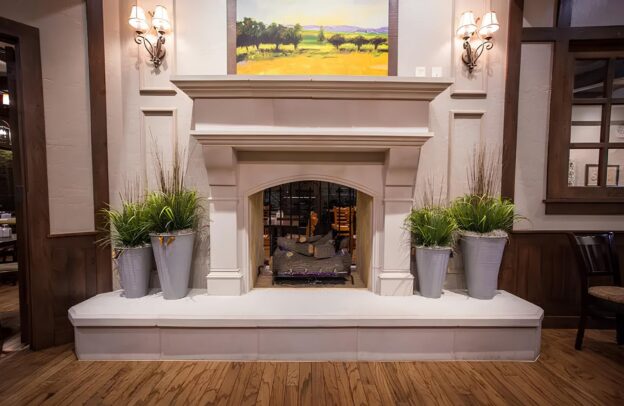
There are several different types of fireplaces, and they can be made with various kinds of materials. For example, cast stone fireplace mantels from Old World Stoneworks are made with durable, high-quality materials with a long lifespan, making them an ideal choice.
So how long does a fireplace last? What can you do to prolong the life of your fireplace and mantel? Here’s what you need to know.
How Long Do Fireplaces Last?
Fireplace longevity could depend on a variety of factors, including the type of fireplace you have, the quality of materials and construction, and how much you use it.
While customized fireplace mantels could last indefinitely with proper care, the fireplace itself has a limited lifespan. How long can you expect a wood, gas, or electric fireplace to last?
Wood-Burning Fireplaces
Traditional fireplaces are often made from masonry like brick or stone. They may also be prefabricated, factory-built fireplaces made from metal components, complete with air-cooled pipes and insulated walls.
The difference between these options is significant: With proper cleaning and maintenance, masonry units can withstand decades to even centuries of daily use, while a prefabricated model can reliably provide 10–15 years of use — possibly up to 25 years with regular maintenance.
When it comes to choosing a vented vs. ventless fireplace, the good news is that these differences have no impact on longevity. However, unvented fireplaces aren’t legal everywhere, so you’ll need to check local codes before you install one.
Gas Fireplaces
If you don’t like the soot created by burning wood, you might be interested in other options. The best choice may be a gas fireplace that runs on natural gas, ethanol, or propane.
How long do gas fireplaces last? You can generally expect a gas burner to last about 10–15 years, depending on use and the quality of materials. If you have an enclosed fireplace insert, you might have to replace the whole unit instead of just the burner.
Electric Fireplaces
The global market for electric fireplaces is currently estimated at over $2 billion, with forecast growth of 4% CAGR by 2031. Electric fireplaces are gaining popularity because they’re easy to install and maintain. You can place one in an existing firebox or add a cast stone fireplace mantel where none existed before. Some units are even portable.
How long do electric fireplaces last? They offer about 10–20 years of use. Because they don’t need any fuel to create heat, they require no ventilation, which adds flexibility in terms of preferred placement.
How Long Do Gas Logs and Chimneys Last?
Unseen components and add-ons may or may not last as long as the firebox and mantel. How long do gas logs last? What about chimneys and inserts?
Gas Logs
Made from ceramic logs equipped with piping that pumps gas through holes in the logs, this design offers a steady flame on demand for practical or aesthetic purposes. The logs themselves can last about 5–10 years, depending on whether they’re made from lightweight ceramic fiber or reinforced cement.
Chimneys
A well-built brick or stone chimney can last over 100 years. What about other materials? How long do chimneys last when they’re made from metal? An aluminum flue liner could last about 10–15 years, while stronger steel offers roughly 15–20 years of use. However, you should know that aluminum is not suitable for a wood-burning fireplace.
Fireplace Inserts
If your wood-burning fireplace is no longer usable or you don’t like the smoke it produces, you may want to consider fireplace inserts that offer the convenience of a closed box that slots into an existing firebox or that you build a surround for.
How long do fireplace inserts last? On average, they’re good for about 20–30 years, although again, it depends on materials, usage, and maintenance.
Replacing a Fireplace
When is it time to think about upgrading or replacing a fireplace? When your old fireplace suffers damage like cracked or crumbling materials, poses health risks, no longer produces adequate heat, or requires frequent and costly repairs, it’s time to consider a replacement.
You can always upgrade to more efficient technologies and install a cast stone mantel that better matches your style sensibilities.
Prolonging the Life of Your Fireplace and Mantel
The right mantel, like models available from Old World Stoneworks, can help protect and preserve your fireplace while adding a luxury look to your home interior.
To prolong the life of your fireplace and mantel, follow these steps:
- Choose durable materials.
- Perform regular cleaning and maintenance of the fireplace mantel and its heating components.
- Hire professionals to conduct an annual inspection.
- Repair or replace parts as needed.
Why Choose Old World Stoneworks?
As a homeowner dealing with an old fireplace or thinking about investing in a new installation, you might naturally wonder, how long does a fireplace last? With the right materials and care, some components could last a lifetime and beyond.
Cast stone mantels from Old World Stoneworks are not only beautiful, with a range of custom designs to complement gas, electric, or wood-burning fireboxes, but the quality craftsmanship and durable construction will last as long as any fireplace.
Are you ready to get your installation or upgrade underway? Contact us today!
Longevity depends on proper maintenance of your stone and components.