
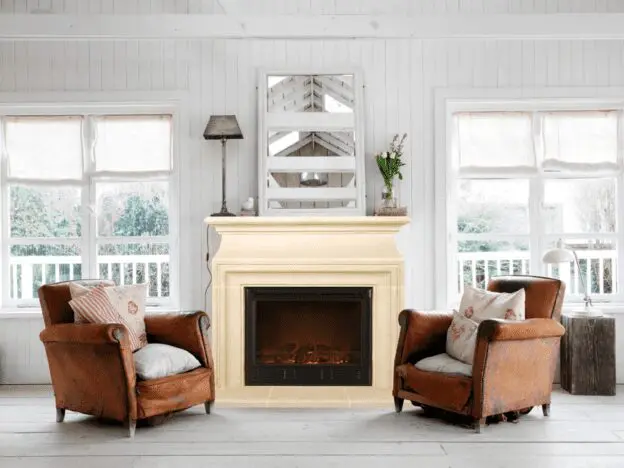
Fireplace Inserts vs. Fireplaces — What’s the Difference?
Many people love the look and warmth that a fireplace adds to a room. Fireplaces add comfort, luxury, and classic aesthetics to any home. Are you adding a fireplace to a home for the first time? Or are you remodeling an existing fireplace? If so, you may have heard about something called a fireplace insert. But what exactly is a fireplace insert and how does it differ from a fireplace?
Read on as we explore fireplace vs. fireplace insert and help you determine which is best for your application.
Exploring Traditional Fireplaces
Traditional fireplaces can burn wood or use gas to heat the spaces around them. They offer comfort, warmth, and a vintage appeal to all home styles.
What Is a Traditional Fireplace?
Standard fireplaces burn materials and safely vent smoke out of the home. They’re built into the building’s structure, usually on one wall in a living space or a bedroom. A traditional built-in fireplace contains these elements:
- Firebox: Space for wood burning or combustion
- Hearth: Area at the base of the fireplace
- Chimney: Channel that carries smoke out of the home
- Mantel: An optional shelf above the fireplace for storage and decoration
The area around the fireplace (fireplace surround) is decorative and adds texture, color, and style to the fireplace as a whole.
Advantages of Traditional Fireplaces
Traditional fireplaces add aesthetic appeal to homes of all types. Their unique architectural elements create a captivating focal point that enhances the ambiance of the room they are in even when not in use. You can use your traditional fireplace to incorporate various colors, textures, and patterns into your home’s design. Suitable for use in many settings, traditional stone fireplace mantels are a versatile way to add drama, elegance, and warmth to your home.
Fuel Types for Traditional Fireplaces
Fireplaces use wood, gas, or electricity to give off heat. Each type of fuel has unique advantages, so your choice will depend on your preferences as a homeowner.
Understanding Fireplace Inserts
What Is a Fireplace Insert?
Commonly used in cold-weather climates, a fireplace insert is a heating appliance that is designed to be inserted into a traditional fireplace to increase its output of heat. An insert will consist of a prefabricated firebox made out of cast iron or steel with a glass front. These materials retain heat easily. Some inserts also have vents or blowers that push hot air back into the living space.
Benefits of Fireplace Inserts
Traditional fireplaces are notorious for being energy inefficient, with most heat escaping up the chimney. Fireplace inserts are designed to capture and distribute heat more effectively, making them a practical choice for homeowners seeking both warmth and ambiance.
Fireplaces offer a variety of fuel options. You can get a wood or pellet burning fireplace insert, or choose a gas or electric-powered model, depending on your preference.
When choosing between a fireplace insert vs. a fireplace, the main consideration is your space. Fireplace inserts must be installed in an existing fireplace and are not made for standalone use. In order to use a fireplace insert in a home that does not have any type of fireplace, you will have to add one, which involves a home construction project. The choice then becomes, should we add a fireplace to our home and if so, should we add a fireplace insert to increase its efficiency and heat output and change its look?
Key Differences Between Fireplace Inserts and Fireplaces
Here are the key factors to consider when deciding between a fireplace vs. fireplace insert.
Installation and Construction
As stated before, you must have a vented fireplace with a chimney to use a fireplace insert. So if you don’t have a traditional fireplace but would like one, you must decide if you are interested in undertaking a fireplace construction project. You can then decide if you will add an insert for added efficiency. Keep in mind that a fireplace insert will alter the look of your fireplace. If you think you will want to use one, you should incorporate it into your initial fireplace design from the start.
Cost Implications
Comparing the cost of adding a traditional fireplace to the cost of adding a fireplace insert isn’t an apples to apples comparison, because you must have (or install) the former to use the latter. If you already have a traditional fireplace, adding a fireplace insert may offer long-term benefits due to their increased heating efficiency. Going from a conventional wood-burning fireplace to a gas or electric insert may result in cost savings. You can also add an insert if you want to change the look of your existing fireplace.
Maintenance and Upkeep
Both types of fireplaces require yearly maintenance and regular cleanings. Traditional fireplaces present more safety hazards if you don’t perform the necessary maintenance. Gas and electric inserts don’t require frequent burn area cleaning.
FAQs
Find the answers to frequently asked questions about fireplace inserts vs. fireplaces.
Is a Fireplace Insert Better Than a Fireplace?
Fireplace inserts are more efficient at dispersing heat, thus they save the homeowner money. They also allow you to change the fuel type you’re using in a traditional fireplace. However, you’ll need an existing fireplace to install an insert, regardless of your choice.
What Are the Disadvantages of a Fireplace Insert?
Fireplace inserts are limited in terms of size and customization options. They may also detract from the ambiance of a traditional fireplace, depending on the look of the insert and the fireplace design.
When Should You Install a Fireplace Insert?
If you count on your fireplace to warm your home in a cold climate, a fireplace insert can upgrade your fireplace’s efficiency. You can also choose to add an inserts to change the look of your fireplace rather than do a more costly fireplace renovation or replacement.
Making the Right Choice for Your Home
Consider your home design, heating preferences, and budget when choosing between a fireplace vs. insert. For homeowners with existing fireplaces, a fireplace insert may make sense if you’re looking to increase heating efficiency or alter its look without taking on a major construction project.
Learn about all the fireplace components before deciding.